
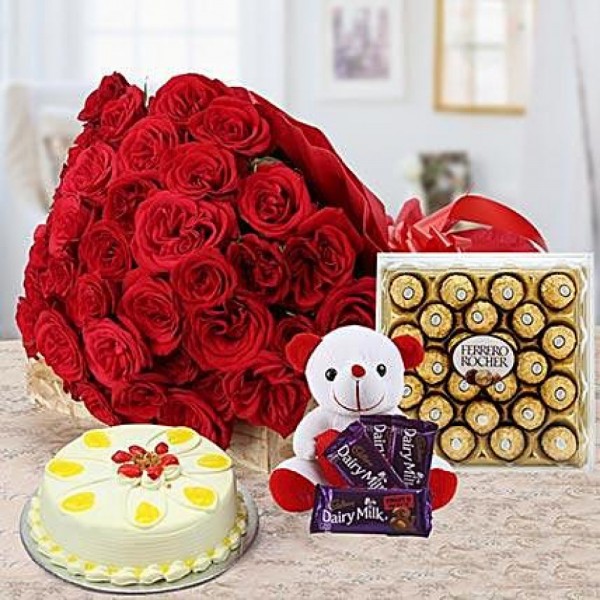
Valentine’s Day Cakes That Speak the Language of Love
There’s something quietly reassuring about cakes on Valentine’s Day. They don’t arrive with a rulebook. They don’t demand a reaction. They don’t sit there waiting to be judged or compared to what someone else received. They just exist — patiently, almost modestly — until the moment feels right.
And that moment always comes.
It might be late in the evening, after dinner plans fall apart or after everyone’s too tired to do anything elaborate. It might be just before midnight, when the day finally feels like it’s slowing down. Or it might be the next morning, when the cake is still there and Valentine’s Day hasn’t completely let go yet.
That’s when cakes do what they do best. They create a pause. A shared one.
People underestimate how rare that is.
Cakes Don’t Ask You to Perform Love
A lot of Valentine’s Day gifts come with pressure attached. There’s an unspoken expectation to react a certain way. To smile enough. To seem grateful enough. To match the effort. Sometimes it feels like the gift is being evaluated as much as the relationship itself.
Cakes don’t do that.
Nobody expects a speech when a cake is brought out. Nobody wonders if their reaction is “enough.” The moment softens naturally. Someone looks for plates. Someone already knows which slice they want. Someone pretends they don’t care about slice size but clearly does.
The energy shifts without announcement.
That’s why cakes feel emotionally safe on a day that can otherwise feel loud, public, and oddly performative.
Chocolate Cakes: The Flavour That Feels Like a Hug
Chocolate cakes are everywhere on Valentine’s Day, and honestly, that’s not because people lack imagination. It’s because chocolate feels familiar in a way very few flavours do.
Chocolate doesn’t surprise anyone. And on Valentine’s Day, that’s actually comforting.
A chocolate cake feels like a hug you don’t have to ask for. It’s rich without being dramatic. Sweet without being childish. Indulgent without feeling like a spectacle. It doesn’t compete with the moment — it supports it.
Chocolate truffle cakes, especially, have this grounding quality. People eat them slowly. Conversations soften. There’s less talking and more quiet enjoyment. It’s the kind of dessert that makes people lean back in their chairs and relax without realising they’ve done it.
It’s not flashy love.
It’s steady love.
The kind that doesn’t need explanation.
Red Velvet Cakes: When Love Wants to Be Seen
Red velvet cakes are almost inseparable from Valentine’s Day now. You see them everywhere in February, and while some people pretend to be tired of them, they keep coming back for a reason.
Red velvet looks like Valentine’s Day before you even cut into it.
You don’t need heart-shaped toppers or themed messages. The cake already carries the mood visually. It signals celebration without shouting. It feels intentional, not accidental.
That said, red velvet works best when it’s chosen consciously. It suits moments where the day itself is being acknowledged openly — when you’re okay with leaning into the occasion instead of downplaying it.
For very quiet evenings or people who dislike attention, red velvet can sometimes feel louder than the room. And that’s okay. Knowing when not to choose it is just as important.
Choosing the right cake isn’t about trends. It’s about fit.
Vanilla, Caramel & Butterscotch: Love That Doesn’t Need Drama
There’s a quiet confidence in choosing simple flavours on Valentine’s Day.
Vanilla cakes don’t try to impress. They don’t need to be explained. They feel warm, steady, and familiar — like something you’ve trusted before and will trust again. Caramel and butterscotch add richness without changing that energy. They feel comforting rather than exciting, and that’s not a weakness.
These flavours work beautifully when love feels settled. When the relationship doesn’t need proving. When the moment is about being together rather than showing anything off.
For long-term partners, families, or people who prefer calm over chaos, these cakes speak volumes without raising their voice.
Cakes in New Relationships: Keeping the Volume Low
Valentine’s Day in a new relationship can feel delicate. You want to acknowledge the day without placing expectations on it. You don’t want to underdo it, but you definitely don’t want to overdo it.
Cakes help because they sit right in the middle.
A small cake feels thoughtful without being heavy. It creates a shared moment without demanding a big emotional response. You cut it, share it, and the evening continues naturally.
The best cakes for new relationships are simple ones. Chocolate, vanilla, red velvet — familiar flavours that don’t carry too much symbolism. Nothing oversized. Nothing overly designed. Nothing that feels like it’s trying to define the relationship.
In early stages, subtlety isn’t hesitation. It’s respect.
Cakes in Long-Term Love: Familiarity Is the Point
In long-term relationships, Valentine’s Day isn’t about reinvention. It’s about reassurance.
The cake you always choose.
The flavour you both already know.
The way you cut it without discussing it.
The argument about who gets the corner slice.
These things aren’t boring. They’re grounding.
The cake becomes part of a ritual that already exists. Less about Valentine’s Day and more about us. About continuity. About showing up in the same ways because they still matter.
Love doesn’t always want novelty. Sometimes it wants recognition.
For People Who Say They “Don’t Celebrate” Valentine’s Day
There are people who genuinely don’t care about Valentine’s Day. They don’t want themes. They don’t want symbolism. They don’t want expectations attached to a date on the calendar.
A cake works for them because it doesn’t feel like celebration. It feels like comfort.
It’s something you’d enjoy on any good day, just with a little more intention behind it. A cake placed on the table doesn’t force romance. It allows it — quietly — if it wants to exist.
And if it doesn’t? The cake still makes sense.
That flexibility is rare in gifts, and it’s why cakes succeed where many others fail.
Mini Cakes: Saying Just Enough
Mini cakes haven’t become popular because people are doing less. They’ve become popular because people are doing what fits.
A mini cake feels personal. It feels like it was chosen for this moment, not a generic celebration. It doesn’t require planning around leftovers. It doesn’t demand an audience. You enjoy it, feel satisfied, and move on.
Mini cakes work beautifully for couples, solo celebrations, and last-minute plans. They don’t compete with the evening — they blend into it.
They’re proof that love doesn’t need size to feel sincere.
Gifting Cakes When You Can’t Be There
There’s something quietly emotional about sending a cake to someone’s home.
You’re not there to cut it. You’re not there to see their reaction. But the cake still shows up, carrying the message on your behalf.
It says, “I wanted you to have something sweet today.”
It says, “I thought of you, even if I couldn’t be there.”
On Valentine’s Day, that matters.
Cakes as gifts don’t feel transactional. They feel like shared time, stretched across distance and circumstance.
Cakes Paired With Flowers or Chocolates
A cake on its own is complete. But sometimes pairing it with something small changes the feel of the moment.
Flowers soften the space. They make the table feel intentional. Chocolates extend the sweetness beyond one moment — something to enjoy later, slowly, without rush.
The key is restraint. One cake. One add-on.
When done right, the pairing doesn’t feel bigger. It feels fuller.
Cakes for Friends, Family & Every Kind of Love
Valentine’s Day marketing often forgets this, but love doesn’t exist in only one form.
Cakes work beautifully for friends because they’re easy to share and don’t change the dynamic. They add warmth without confusion.
For family, cakes feel natural. They bring people together without explanation. No awkwardness. No mixed signals.
Cakes don’t ask what kind of love this is. They simply accept that love exists.
Buying a Cake for Yourself Still Counts
This deserves to be said clearly.
Buying yourself a cake on Valentine’s Day isn’t sad. It isn’t indulgent. It isn’t making a statement.
It’s choosing something sweet without asking permission.
A slice eaten alone.
A mini cake finished slowly.
A moment that belongs only to you.
That counts as love too.
What Makes a Valentine’s Cake Actually Meaningful
It’s not the decoration.
It’s not the price.
It’s not how “Valentine’s” it looks.
It’s whether the cake fits the moment and the people sharing it.
A cake that feels right will always say more than one that looks impressive.
How Valentine’s Day Usually Ends (And Why Cakes Belong There)
Most Valentine’s Days don’t end with fireworks. They end quietly.
Someone cuts the last slice. Someone says they’re full and eats more anyway. Someone wraps leftovers for the next day.
Those moments don’t make it to social media. But they matter.
And cakes are there for all of them.
That’s why, year after year, cakes continue to speak the language of love — not loudly, not dramatically, but honestly, patiently, and without asking for anything in return.
FAQs
- Are cakes really a good Valentine’s Day gift?
Yes. They create shared moments without pressure. - Which cake flavour works best for Valentine’s Day?
Chocolate is the safest, but the best choice is what the person actually enjoys. - Are cakes okay for new relationships?
Yes. Especially smaller or simpler ones. - Can cakes be gifted instead of shared?
Absolutely. They still feel warm and thoughtful. - Do cakes work for non-romantic Valentine’s gifting?
Yes. Friends and family appreciate them just as much. - Is a small cake enough for Valentine’s Day?
More than enough, if it fits the moment. - Why do cakes feel more meaningful than other gifts?
Because they’re shared, honest, and easy to enjoy.
There’s something quietly reassuring about cakes on Valentine’s Day. They don’t arrive with a rulebook. They don’t demand a reaction. They don’t sit there waiting to be judged or compared to what someone else received. They just exist — patiently, almost modestly — until the moment feels right. And that moment always comes. It might…